01
Initial Assessment
The technician inspects the mattress to identify fabric type, condition, and areas requiring attention.
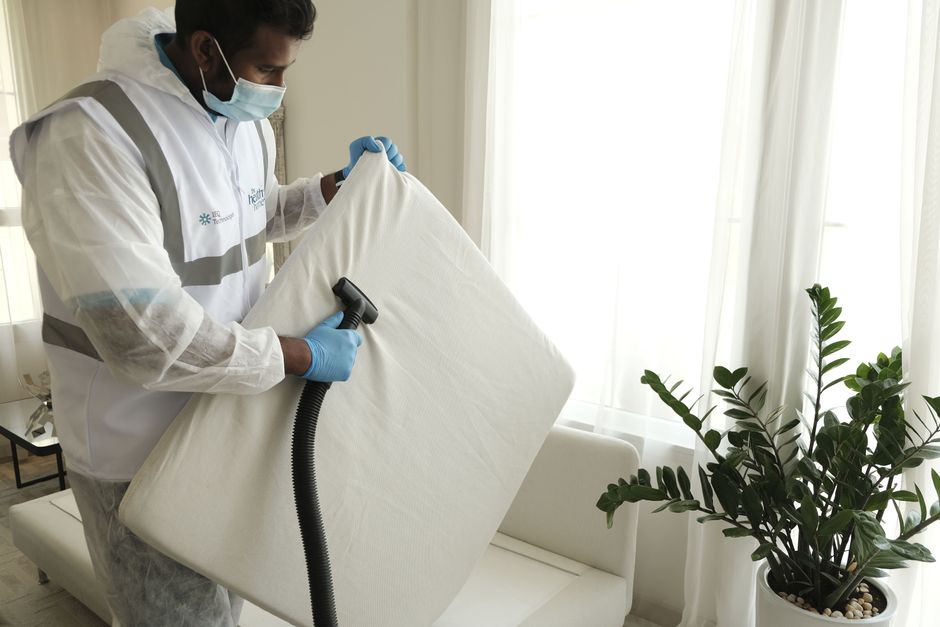
FreshNest offers on-site mattress deep cleaning for dust, mites, and biological traces in sleeping items. A technician performs the treatment at your home, following a structured process with clarity on methods and context. No outcome is guaranteed; results vary depending on fabric, condition, and environment.
Request CleaningMattresses accumulate dust, dust mites, and biological traces over time through daily use, skin shedding, and ambient particles. These factors are common in most households and are not necessarily visible. For families with children, such considerations may be part of regular bedding maintenance. Dust mites thrive in warm, humid environments, while biological traces can result from sweat, spills, or other organic matter. The presence of these elements depends on factors like ventilation, cleaning frequency, and indoor conditions. Information about mattress composition and environmental influences can help households make informed decisions about their bedding. Professional cleaning methods are available that address these aspects, though results vary based on individual circumstances. Understanding these factors is a step toward maintaining a comfortable sleep environment, and consulting with specialists can provide further guidance tailored to specific needs.
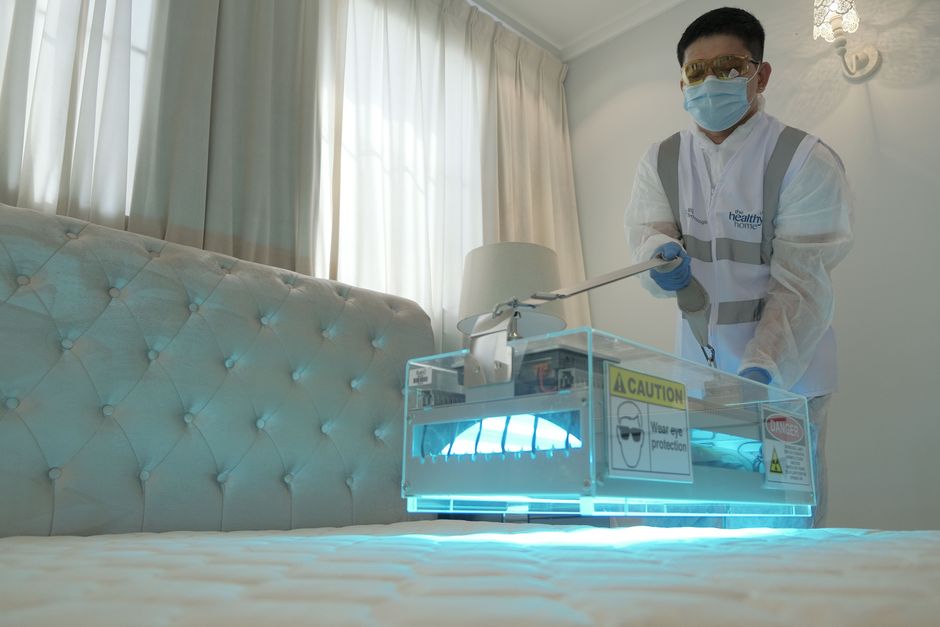
FreshNest uses a structured on-site process for deep mattress cleaning and stain removal. The method combines mechanical extraction with specialised tools and cleaning agents selected according to fabric type and condition. Before treatment, the technician assesses the mattress and explains each step. The process includes dry soil removal, targeted stain pre-treatment, and extraction, followed by a controlled drying phase. FreshNest prioritises transparency: clients receive a clear description ofmethods used and any factors that may affect outcomes. Results vary depending on mattress material, age, and stain history, and no specific outcome is guaranteed.
The technician inspects the mattress to identify fabric type, condition, and areas requiring attention.
Work area is set up, and the mattress is prepared according to the assessment and safety guidelines.
Cleaning methods are applied to the mattress surface, with techniques adjusted based on the assessment.
The mattress is checked, and aftercare considerations are discussed, depending on the materials and conditions.
Feedback often highlights punctuality and clear arrival windows, with technicians communicating each step of the mattress cleaning process before starting.
Customers frequently note transparent explanations of the methods used and the condition of their mattress, allowing them to make informed decisions.
Communication before and after appointments is a common theme, with many mentioning timely updates and straightforward answers to their questions.
Cleaning outcomes depend on variables such as the mattress fabric, the type and age of stains, and the penetration depth of dust or biological traces. A professional assessment prior to treatment helps identify appropriate methods for different materials and conditions. This approach respects the mattress structure within a typical domestic hygiene routine, and specific cases may warrant professional judgment. FreshNest operates using established procedures for on-site cleaning, with adjustments made based on observed conditions to ensure a methodical service.
FreshNest provides deep mattress cleaning and stain removal as structured, on-site processes. Methods include systematic extraction and targeted treatment of marked areas. The service is designed for private clients and families with children in the UK who seek information about hygiene upkeep for sleep surfaces. Appointments are arranged at the client’s address, and all procedures are explained in advance. Results depend on the mattress condition, material type, and the specific substances present, so no universal outcome is indicated. FreshNest operates on a transparent, process-oriented basis.
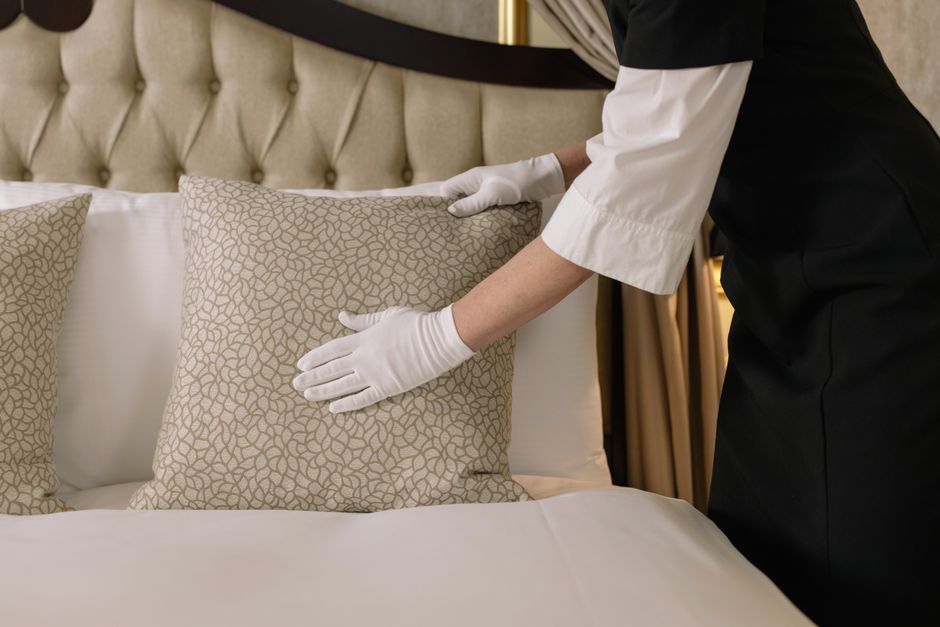
After cleaning, airing the mattress in a well-ventilated room may help residual moisture evaporate.
Once dry, a visual check can identify any areas that may require gentle brushing or additional attention.
Using a breathable mattress protector might help limit surface dust and maintain cleanliness between professional treatments.
Periodic vacuuming and rotation of the mattress can be part of a general routine, depending on household preferences.
Photographs document observed cleaning processes and typical conditions before and after treatment, illustrating methods used by FreshNest. Conditions vary based on mattress materials, prior use, and individual factors.
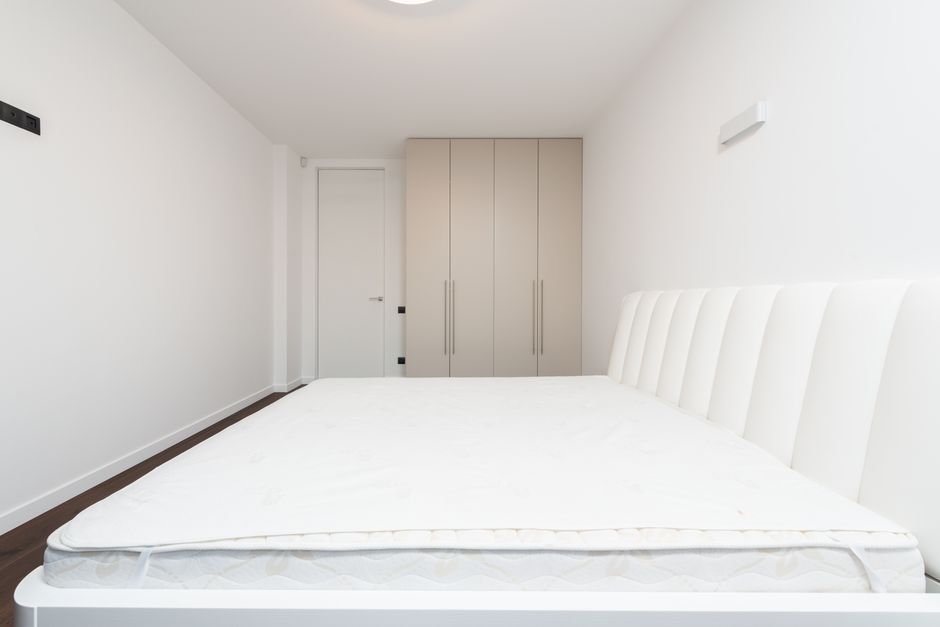
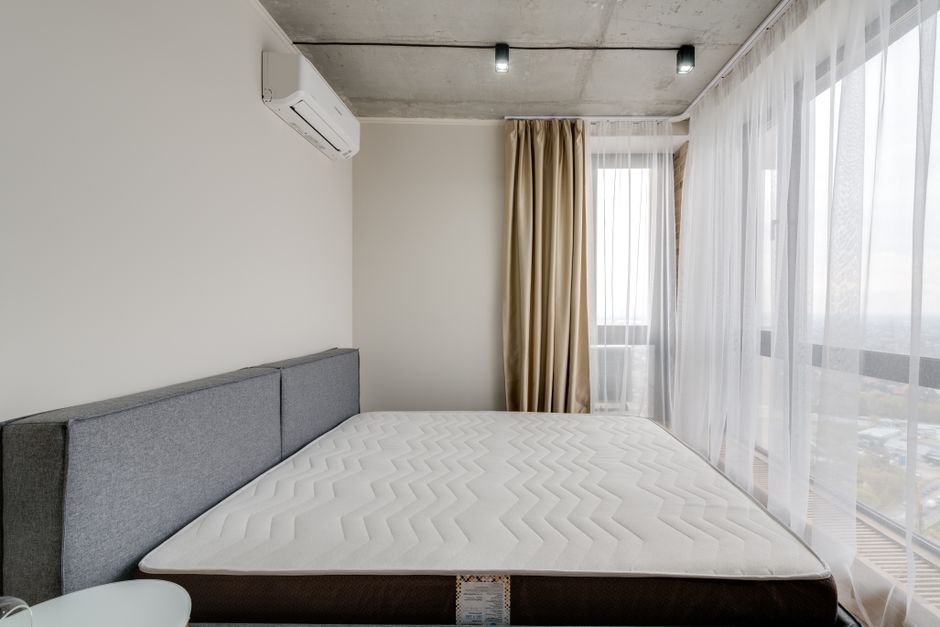
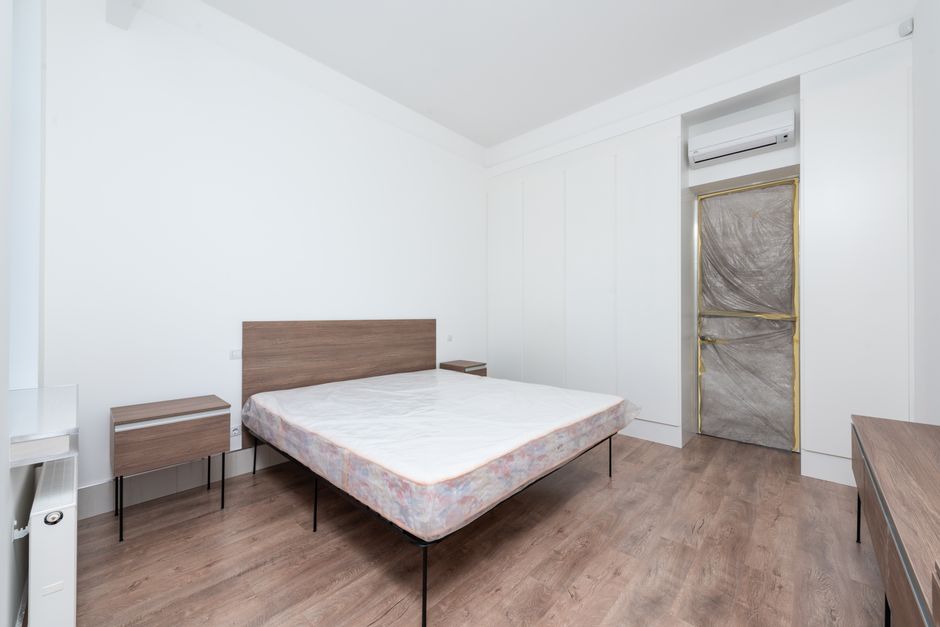
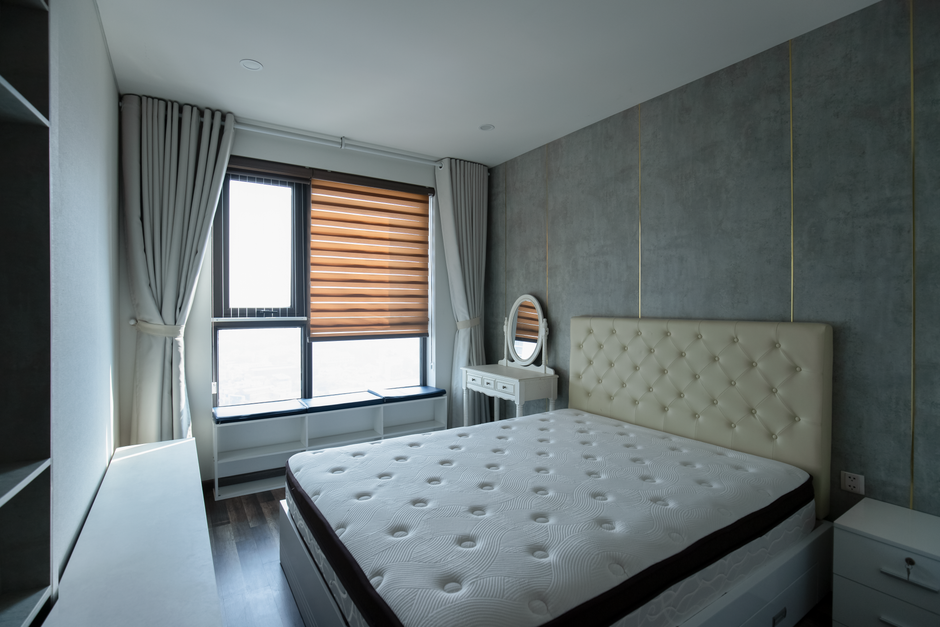
FreshNest follows a defined on-site process using professional equipment and methods suitable for mattress fabrics. Each visit begins with an assessment of the mattress condition, followed by targeted treatment and extraction. Information about products used is available on request. The approach focuses on removing dust, allergens and biological traces, but outcomes depend on factors such as mattress age, material and prior care. No specific results are guaranteed, and we encourage clients to consider their individual circumstances when deciding on treatment.
FreshNest follows an on-site service model, meaning the technician visits the specified address and treats mattresses in place, avoiding the need for transportation. The process typically addresses various mattress types, including spring, memory foam, hybrid, and latex, although suitability may depend on the specific fabric, condition, and manufacturer guidelines. All services are carried out according to standard operational procedures. FreshNest does not maintain a physical storefront, and consumer experiences may differ based on factors such as mattress age, prior care, and environmental conditions. This approach can be more convenient for households in the UK, especially for families with children, as it reduces disruption.
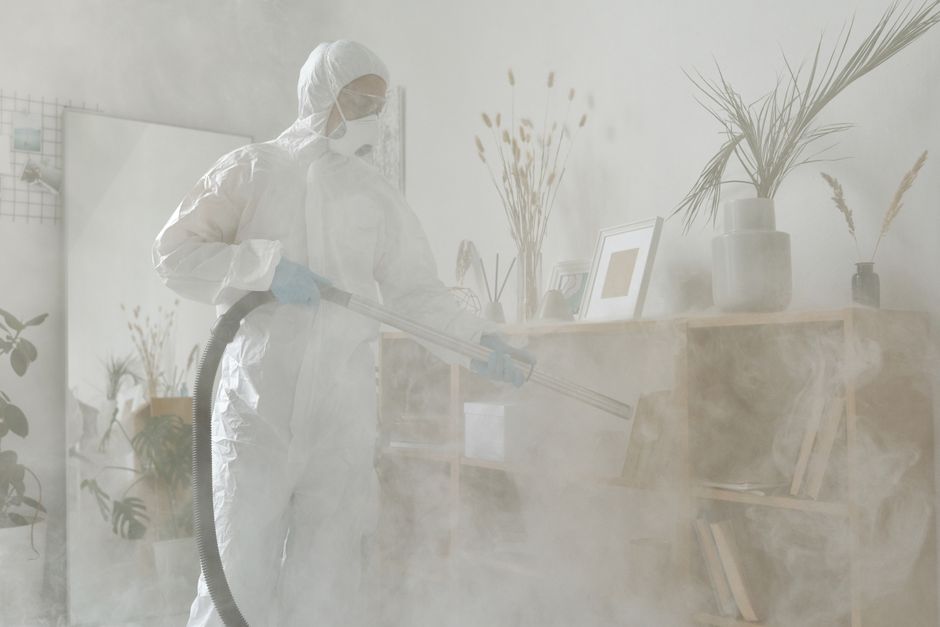
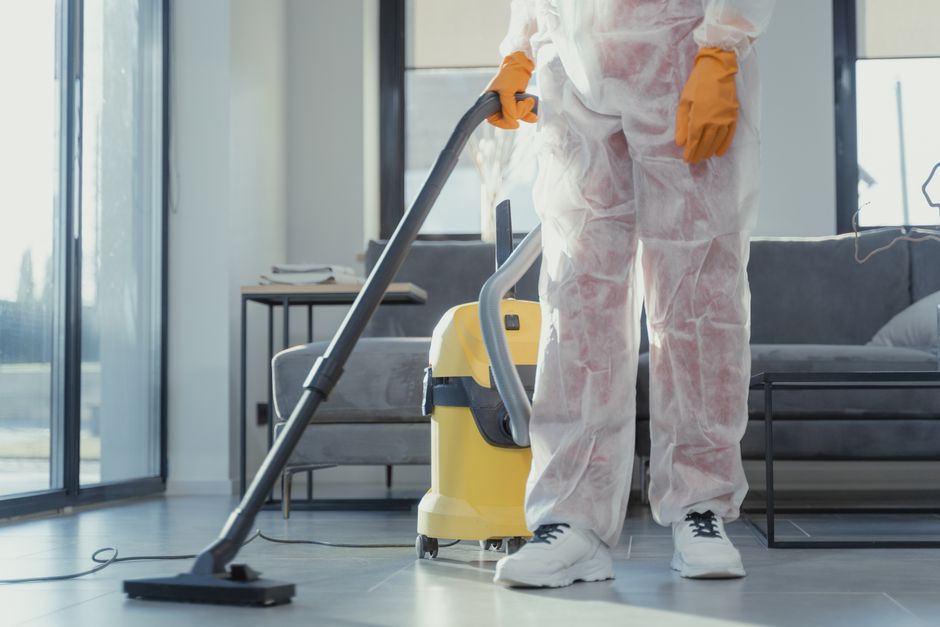
FreshNest technicians travel to your address and treat mattresses directly at your home, minimising disruption.
The process uses extraction tools and targeted solutions designed for fabric care, following a structured cleaning protocol.
The service is available for private households in the UK, including families with children, as part of routine mattress maintenance.
FreshNest outlines each step clearly so you understand what to expect, without claims of outcomes or guaranteed results.
FreshNest offers a structured mattress cleaning service in the UK, combining deep cleaning and targeted stain removal. Deep cleaning involves mechanical agitation and extraction to reduce dust, mites, and biological traces. Stain removal treats specific spots with suitable agents. The service is performed on-site by a technician using specialised equipment. Suitability and approach vary based on mattress fabric, condition, and stain type, determined during a pre-service assessment. The process is designed for private clients and families with children, and its scope is defined by the assessment, reflecting a commitment to transparent methodology.
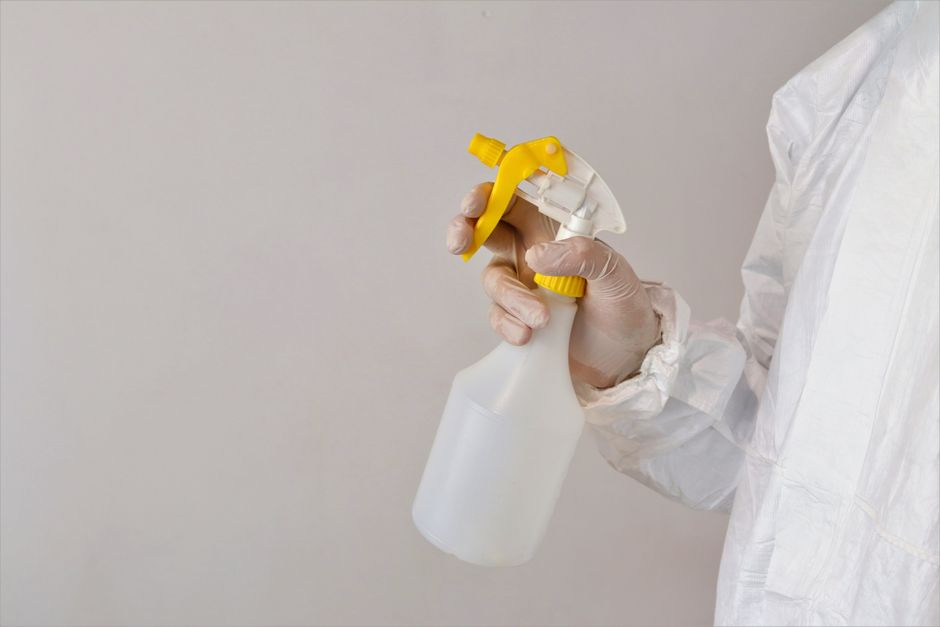
Results of mattress cleaning can vary considerably depending on the mattress type, its material and construction, existing condition, and how stains or biological traces have developed over time. Environmental factors such as humidity and ventilation in the home also play a role. Because of this variability, FreshNest assesses each mattress individually, and the appropriate approach is determined by professional judgment rather than fixed formulas. This means specific outcomes cannot be guaranteed in advance.
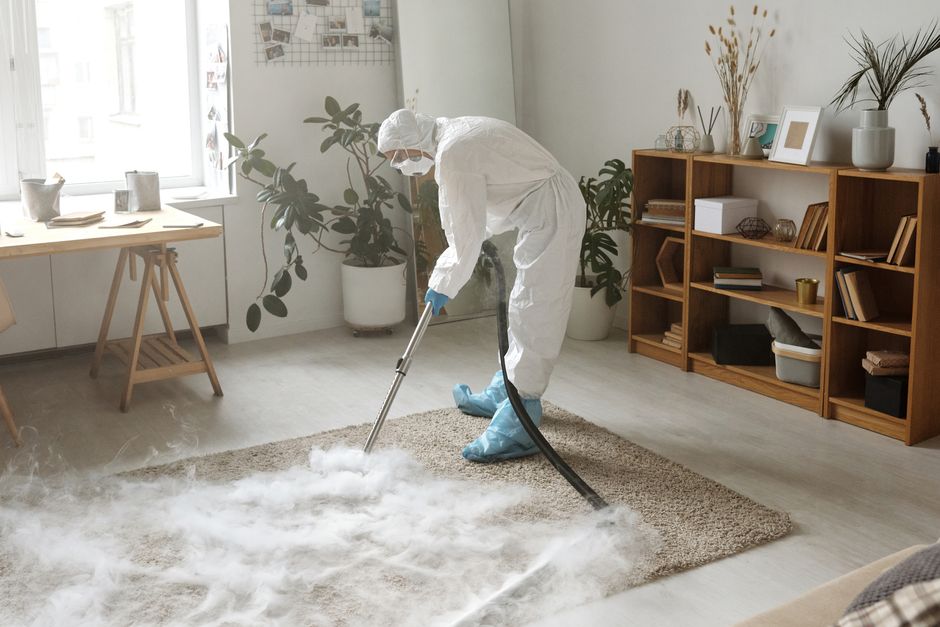
Products are selected based on mattress fabric type and the nature of soiling, including dust or biological traces.
Extraction and steam devices are used to loosen and remove particles and residues from mattress fibres.
Visual change depends on mattress age, material wear, previous treatments, and levels of contamination.
FreshNest outlines the methods and sequences before work begins, without implying predictable or guaranteed results.
Reach FreshNest via phone or email, or submit the form below. Response times may vary depending on availability and external factors; submissions are reviewed in the order received.